Key Takeaways:
- Miles AI is a suite of six tools in PlanStreet that automates documentation, claims, and reporting for human services teams.
- It's purpose-built for human services, meeting HIPAA and SOC 2 standards while connecting to existing case data and workflows.
- Miles AI assists staff rather than replacing them, keeping humans in control of care decisions.
Frontline teams have to complete a near-impossible task: balance critical relationship building and service with time-consuming administrative work. Documentation takes between a third and a quarter of the average social worker's day. This work is essential to properly create case plans and coordinate services, but it can take away from time with clients and the community.
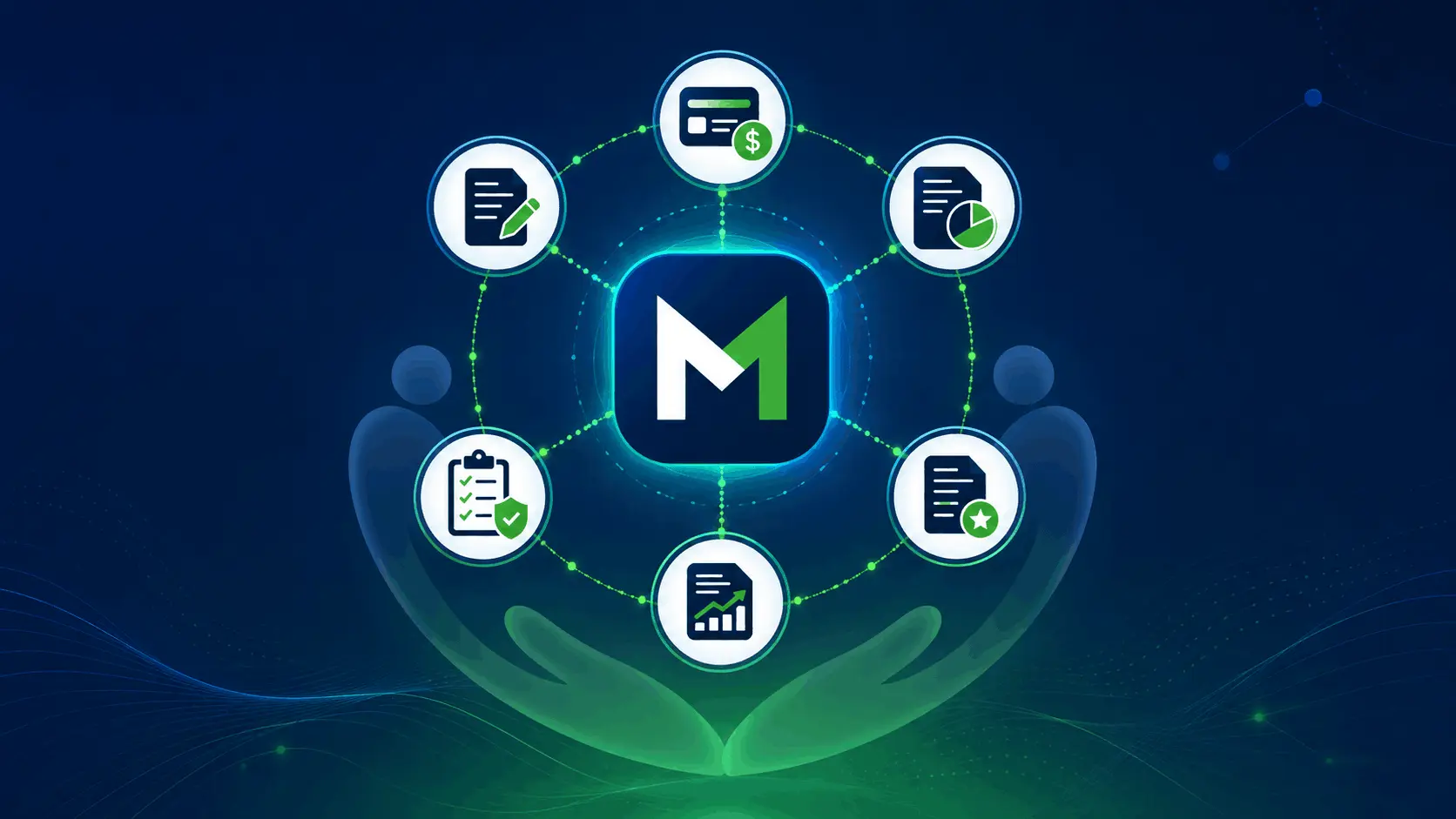
That's why PlanStreet created Miles AI, the human-centered AI for human services and community-based care. Miles AI was built specifically to work within PlanStreet, so it helps your team speed up administrative work while keeping humans in the driver's seat for care planning and decision-making.
Why Human Services Needs Purpose-Built AI
Community-based care can be incredibly complex. A single record may include intake questionnaires, assessments, progress notes, service plans, outcomes, referrals, authorizations, and billing documentation.
Before a social worker, clinician, or care coordinator steps onto a case, they need to review all of this information to make informed decisions. A purpose-built AI that follows critical security protocols like HIPAA and SOC 2 Type II can help them complete this work faster.
A generic AI will struggle or be inconsistent with:
- Understanding how to implement case management terminology and documentation practices.
- Aligning with exact payer, authorization, and claims workflows.
- Connecting to your organization's existing case records and permissions.
- Forcing employees to complete additional copy-and-paste work to move information between systems (leaving them vulnerable to errors).
Instead, an AI for human services can help information become readily accessible more quickly and easier to act on. That's why PlanStreet developed Miles AI around the workflows needed for community care, behavioral health, and human services teams.
Meet Miles AI: One Assistant, Six Connected Capabilities
Miles AI is a set of connected tools built into PlanStreet to help human services workers do the work they care deeply about more efficiently. Miles supports workflows ranging from intake conversations to outcome tracking, helping your team speed up administrative processes across the case management process.
1. Miles Case Notes AI: Remove the Burden of Writing Case Notes
Social workers report that writing dominates their work, including everything from email to case notes. That's why Miles AI offers a speech-to-text documentation feature. Staff can speak into their phone their thoughts on a meeting with a client, session, or discussion with part of their care team.
AI in human services helps the information get on record in PlanStreet immediately, creating more up-to-date paperwork. The caseworker can focus on the client during the meeting, rather than scrambling to ensure all notes are taken.
2. Miles Case Summary AI: Understand the Full Case Lifecycle Faster
It can be incredibly time-consuming to pore through every document related to a person's case. Miles Case Summary AI helps summarize the entire file, creating a ready-to-review summary for staff. If a case manager needs to dig further or look into a specific detail, they can review the original documentation in the case file.
Miles AI for human services can help your team summarize:
- Intake documents
- Appointment documents
- Case notes
- Medical history
- Payments
- Billing forms
- Referral history
Automated case summaries can help team members make decisions faster without missing any key details.
3. Miles Document AI: Turn Data Into Actionable Information
Human services teams often receive important information in PDFs, scanned forms, images, and uploaded documents. These can be difficult to pull data from without manual entry, which has been shown to be less reliable. For example, in point-of-care laboratory tests, 3.7% of manual inputs were different from the actual result.
With Miles AI document extraction, caseworkers can be confident that the data they're collecting is accurate. The AI was made for community-based care, assisting with:
- Creating new case documents from PDFs and image formats like PNG
- Assessing intake documents and pulling critical information
- Scanning service authorization PDFs
- Helping your team validate claims through authorization details
- Linking back to the document it utilized in a case study for easy reference
4. Miles Claims Validator AI: Reduce Denials and Improve Clean Claim Rates
Maybe you can understand this scenario: a CBO submits multiple Medicaid claims, only for them to be denied a month later. When investigating, the CBO realizes the claims have scattered errors, including missing signatures on progress notes, service units that don't match the documentation, and authorization codes that are incorrect.
Human error is normal, but it can cause major bottlenecks in the billing process. Miles Claim Validator AI helps your team speed up Medicaid claim scrubbing and improve clean claim rates by:
- Checking claims against payer requirements.
- Identifying missing or incorrect information.
- Guiding users on how to correct the claim before submission.
5. Miles Payments AI: Getting to the Root of Billing Problems Faster
Miles AI helps your team review ERA and EDI 835 remittance data faster. When a Medicaid, Medicare, or MCO payer denies or partially pays a claim, Miles AI claims validation helps your team understand it by translating complex adjustment codes into clear explanations.
Now, your team can quickly identify likely causes and appropriate next steps with greater confidence.
6. Miles Reporting & Analytics AI
With Miles AI, you can build reports conversationally that help your team understand key performance indicators (KPIs), program success, client outcomes, and financial details. Miles helps your team access the data already stored in PlanStreet more easily.
Your team can use Miles AI to:
- Ask questions about cases, programs, and more, and get answers from your data.
- Seek out important trends across programs, including client needs, changes in who is seeking help, rates of missed appointments, and more.
- Forecast demand for services, intervening to increase or decrease as needed before it becomes an issue.
- Quickly generate summaries of services, budget, and more for important meetings with stakeholders.
- Receive suggestions of information you can glean from reports.
Who Can Benefit From Miles AI?
Miles AI supports the many roles involved in delivering and sustaining community-based care:
- Community health workers: Create structured notes faster and spend less time on manual documentation.
- Caseworkers: Review client histories, services, goals, and next steps without searching through every record individually.
- Care coordinators: Quickly prepare for follow-ups, case reviews, referrals, and care-planning conversations.
- Clinicians and behavioral health providers: Access clearer documentation and case context to support coordinated, informed care.
- Billing teams: Identify potential claim errors before submission and better understand payment denials, adjustments, or partial payments.
- Nonprofit leaders and CBO executives: Explore program trends, monitor outcomes, and use reporting insights to guide operational and funding decisions.
By supporting documentation, case review, billing, and reporting in one connected platform, Miles AI for human services helps teams spend more time on the work that matters most: serving people and communities.
Bring Person-Centered AI to Your Workflows With PlanStreet
Community-based care runs on relationships, but the paperwork behind those relationships often eats up the time teams could spend on people. PlanStreet's AI case management software for human services addresses that gap directly, pairing purpose-built tools, case notes, case summaries, document processing, claims validation, payments support, and reporting into one system built for the realities of human services work.
Give your team back their time. See how Miles AI fits into your workflow with a personalized PlanStreet demo, built for human services from the ground up.
Frequently Asked Questions
Yes, Miles AI is built to keep humans in the driver's seat for care planning and decisions. Staff review AI-generated notes, summaries, or claims flags before anything is finalized in the case record.
Unlike consumer chatbots, Miles AI operates within a HIPAA-compliant, SOC 2 Type II environment, connects directly to your case data and permissions, and understands human-services-specific terminology, payer rules, and workflows.
No. Miles AI is designed to assist staff, not replace them. It handles time-consuming documentation and information tasks so teams can spend more time providing services and engaging with clients.